Listen to a short intro: weather in galapagos islands
Understanding the weather in Galapagos Islands is one of the most useful steps before you choose dates, a vessel, or a land-based lodge. The archipelago sits on the equator, so you will not find four temperate seasons—but you will find two clear patterns that shape wildlife, packing, and how a cruise or island stay feels day to day.
Two seasons, not four: wet vs dry (garúa)
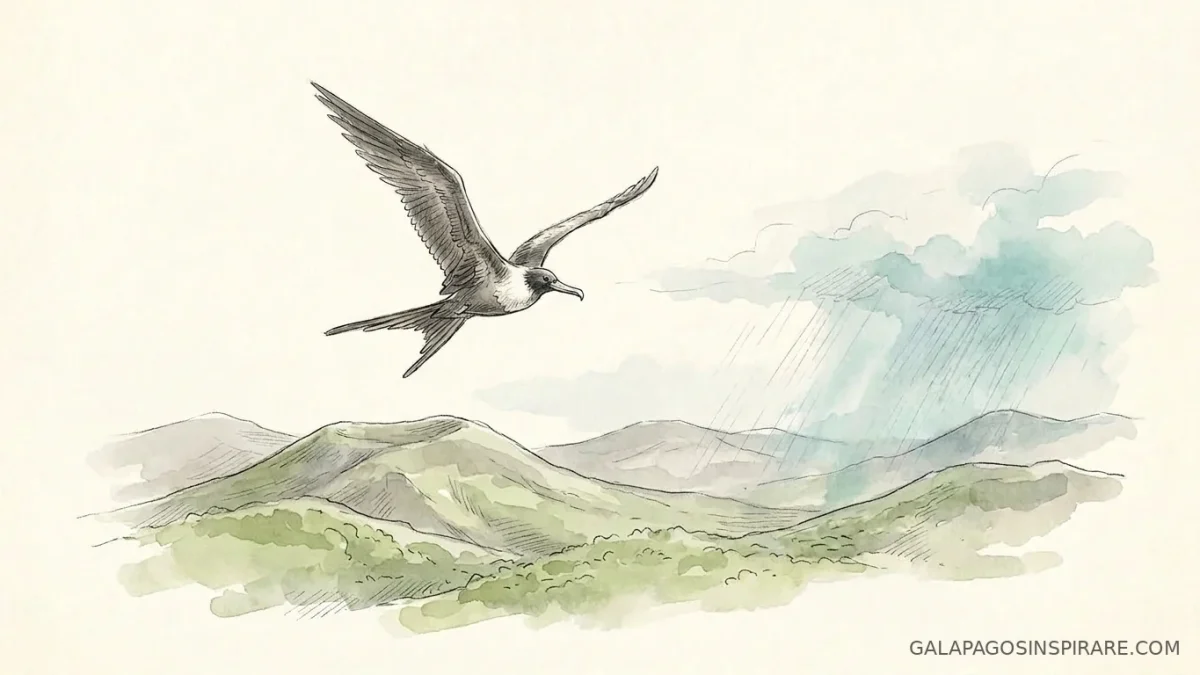
Local guides and operators usually talk about a warmer, wetter period from roughly December through May, and a cooler, drier period from June through November. The dry months often bring the famous garúa—a soft mist or marine layer that can settle over the highlands even when coastal beaches stay bright. Neither season is “bad weather”; each simply favors different wildlife peaks and a different pace outdoors.
What wet season feels like (December–May)
During the wet season, seas tend to be calmer and air temperatures feel warmer. Showers are usually short and localized rather than all-day storms. Highlands turn greener, and many visitors enjoy snorkelling in comfortable water. You may still want a light rain layer and quick-dry clothing—especially if you plan highland walks on Santa Cruz or similar islands.
What dry / garúa season feels like (June–November)
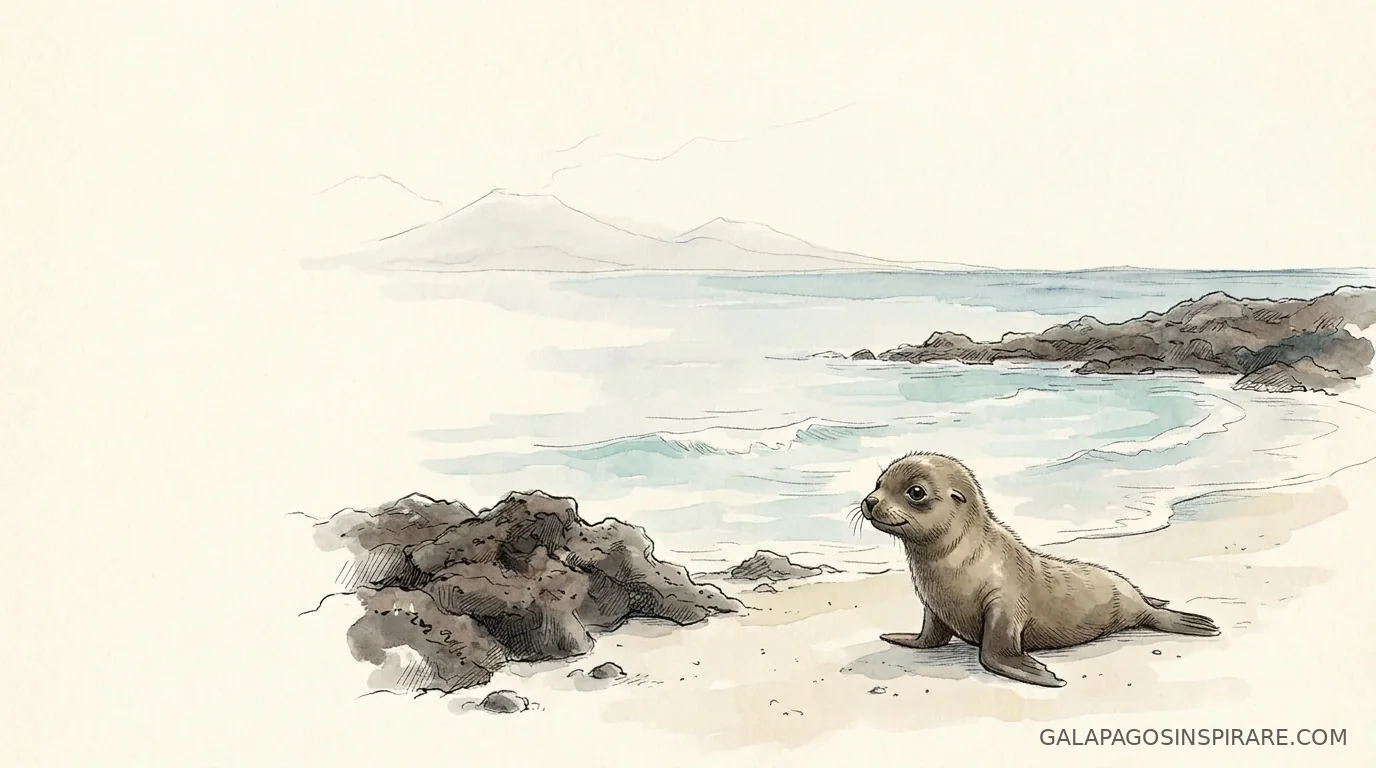
From June to November, air and water feel cooler, trade winds pick up, and the ocean can be more active. Coastal days are often sunny; inland and higher elevations may sit under garúa. This is when many travelers notice more active marine life along certain routes, and when a light fleece or windbreaker becomes essential for panga rides and early morning decks.
Air, water, and honest temperature ranges
Because the islands sit near the equator, day-to-day swings are milder than in temperate destinations. Air temperatures commonly sit in a comfortable warm range year-round, with wet months feeling warmer and dry months cooler—especially after sunset or on open decks. Water temperatures also shift with season and current: warmer in the wet months, cooler in the dry months. Exact readings vary by island and year, so treat any single “°C chart” online as a guide, not a guarantee. For official climate context, check Galapagos National Park guidance and Ecuador meteorological summaries before you lock packing details.
Wildlife peaks and the weather calendar
Weather and wildlife are linked. Green highlands in the wet season support nesting and richer vegetation; cooler, nutrient-rich waters in the dry season often mean excellent snorkelling and diving for marine life. Nesting seabirds, sea lion activity, and tortoise movements all follow seasonal rhythms. A private journey designer can match your wildlife priorities to the months when those encounters are most reliable—without promising animals on cue.
Packing implications (and a useful checklist)
Whatever month you travel, pack sun protection, a brimmed hat, reef-safe sunscreen, closed-toe walking shoes for lava trails, and a light waterproof layer. Wet season adds more warm-weather and rain-ready pieces; dry season adds a warmer mid-layer for cool mornings and breezy decks. For a full kit list, see our Galapagos packing list.
Myths: “no rain” and “always hot”
Two myths still circulate. First, that the dry season means zero rain—garúa and occasional showers still happen. Second, that equatorial islands are always hot and sticky. Cooler dry-season mornings, windy decks, and highland mist can surprise first-time visitors who packed only tank tops. The weather in Galapagos Islands rewards flexible layers more than rigid expectations.
Cruise vs land-based: how weather feels differently
On a cruise, you feel wind, spray, and deck temperatures between islands—and you can reposition when a bay is choppy. Land-based itineraries emphasize highland and coastal walks from a fixed base; rain gear and footwear matter more for longer day hikes. Thoughtful land-based programs can start under about US$1,900 depending on lodge and season, while private charters typically begin around US$80,000. Compare styles in our best time to visit Galapagos guide and the Galapagos cruises hub, then contact us to match dates to your priorities.
How to choose dates around weather in galapagos islands
Start with your priorities, then overlay the seasonal pattern. If you want calmer seas, warmer snorkelling, and greener highlands, lean toward December–May. If you prefer cooler air, more wind on deck, and the classic dry-season marine feel, lean toward June–November. Families sometimes prefer the warmer water of the wet months; photographers may chase dramatic skies or highland mist. Couples on a honeymoon often care more about privacy and itinerary fit than about chasing a single “perfect” month.
Holiday weeks (late December, Easter, and northern-hemisphere summer) book earlier across both seasons. If your dates are flexible by even two weeks, a designer can often improve vessel choice or cabin category without changing your wildlife goals. That flexibility matters more than trying to outsmart the forecast with a rigid spreadsheet of average temperatures.
When you compare quotes, ask what the operator expects for sea state and water temperature on your route that week—not only the brochure averages. Northern and western itineraries can feel different on the same calendar date because currents and exposure change. A short pre-trip briefing on layers and snorkel gear prevents most weather-related surprises once you are onboard or at your lodge.
Finally, remember that “good weather” is personal. Some travelers love bright, hot beach days; others love cool mornings with a fleece and coffee on deck. Matching that preference to season is the quiet advantage of planning the weather in Galapagos Islands with intention rather than copying a generic packing blog.
FAQ weather in galapagos islands
What is the weather in Galapagos Islands like year-round?
Expect two main patterns: a warmer wet season (roughly December–May) with short showers and greener highlands, and a cooler dry season (June–November) with more wind and frequent highland garúa mist. Neither season is extreme; both are highly travelable with the right layers.
Is there a rainy season in Galapagos?
Yes—the wetter months are typically December through May. Rain is often brief and localized rather than continuous all-day downpours, especially on the coast.
When is the coolest water for snorkelling?
Water tends to feel cooler from June through November. Many travelers still snorkel happily with a shorty or light wetsuit; operators advise based on that week’s conditions.
Do I need different packing for wet vs dry season?
Yes. Wet season leans warmer with a compact rain layer; dry season adds a fleece or windbreaker for cool, breezy mornings. Sun protection matters in both seasons.
Is weather better for cruises or land-based trips?
Both work year-round. Cruises feel wind and sea state more directly; land-based days depend more on highland trails and local showers. Choose based on itinerary style, then refine dates with a designer.