
The Ultimate Galápagos Photography Travel Guide
Discover the ultimate photography travel guide to the Galápagos Islands, including the best wildlife encounters, ideal seasons, iconic islands, and luxury experiences for unforgettable nature photography.
Galapagos Inspīrāre
4/30/20266 min read
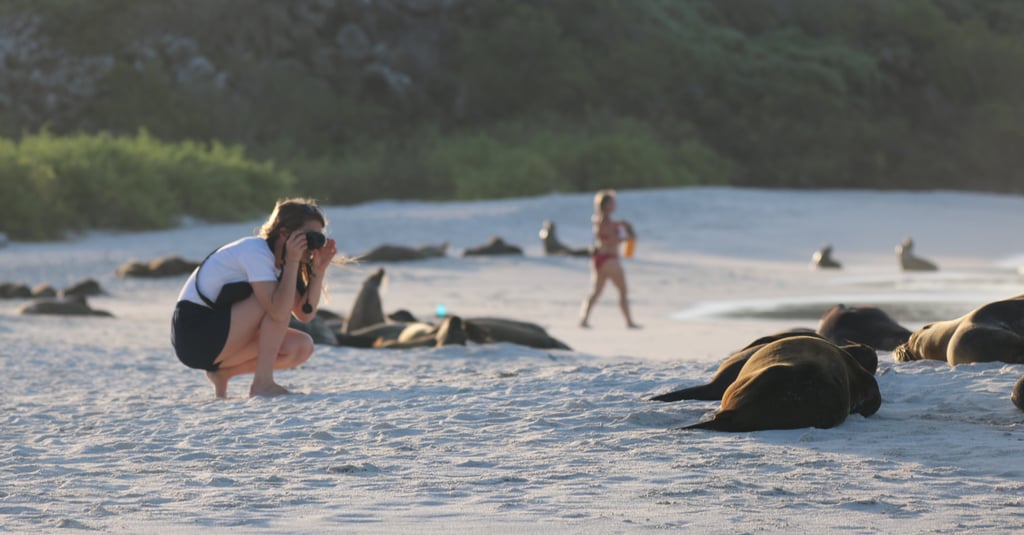
There are destinations that photograph beautifully, and then there are destinations that completely transform the way people see the natural world. The Galápagos Islands belong firmly to the second category.
For photographers, wildlife lovers, and travelers drawn to meaningful exploration, the Galápagos offer something increasingly rare in modern travel: access to nature in its purest form. Here, wildlife still moves freely through volcanic landscapes untouched by mass tourism, and every island feels like a world of its own.
The experience is not simply about taking photographs, it is about witnessing moments that feel almost impossible elsewhere on Earth:
A sea lion sleeping beside your feet as golden light hits the shoreline. Giant tortoises emerging slowly through mist-covered highlands. Blue-footed boobies performing elaborate courtship rituals on lava cliffs above the Pacific Ocean. Marine iguanas silhouetted against black volcanic rock at sunset.
In the Galápagos, extraordinary photography does not feel staged, it happens naturally, constantly, and often when travelers least expect it. This is why the archipelago has become one of the most sought-after destinations in the world for luxury wildlife photography travel.
Santa Cruz Island: The Classic Galápagos Experience
For many travelers, Santa Cruz Island becomes the emotional starting point of the journey.
The island combines iconic wildlife, dramatic landscapes, and refined travel infrastructure in a way that feels both accessible and deeply connected to nature.
In the highlands, giant tortoises move slowly through mist-covered vegetation, creating some of the most timeless wildlife imagery in the archipelago. Early morning light here is particularly beautiful, with soft clouds rolling across volcanic terrain while tortoises emerge from shallow lagoons and dense greenery.
Meanwhile, along the waterfronts of Puerto Ayora, daily life blends seamlessly with wildlife encounters. Pelicans dive into the harbor, marine iguanas gather beside the ocean, and sea lions rest casually along docks and beaches as the afternoon light reflects across the bay.
For travelers seeking a balance between exploration and comfort, staying at an oceanfront property provides the ideal base for photography-focused travel. The slower rhythm of land-based exploration allows photographers to fully appreciate changing light conditions, wildlife behavior, and the atmosphere of the islands themselves.
Isabela Island: Volcanic Drama and Marine Wildlife
If Santa Cruz introduces travelers to the Galápagos, Isabela Island reveals the archipelago at its wildest.
The island feels vast, cinematic, and remarkably untouched.
Long stretches of black lava fields meet turquoise water while volcanic peaks rise dramatically above the Pacific Ocean. It is here that many travelers capture some of the most visually striking scenes of the journey.
Marine iguanas gather across lava formations in extraordinary numbers while Galápagos penguins move quickly through calm coastal waters nearby. Sea turtles, rays, and reef sharks glide beneath snorkelers in protected bays surrounded by volcanic scenery.
For photographers, Isabela offers something unique within the archipelago: scale.
The landscapes feel larger, more remote, and emotionally powerful. Light changes dramatically throughout the day, transforming the island from stark volcanic minimalism to glowing golden coastline at sunset.
It is one of the most rewarding regions in the Galápagos for travelers seeking a more immersive and visually dramatic experience.
North Seymour and Española: Extraordinary Birdlife
For wildlife photographers, few places in the world rival the birdlife encounters found on North Seymour Island and Española Island.
North Seymour is particularly celebrated for its nesting colonies of blue-footed boobies and magnificent frigate birds. During mating season, male frigate birds inflate their vibrant red throat pouches while boobies perform elaborate courtship dances across open volcanic terrain, and the proximity of these encounters feels almost surreal.
Meanwhile, Española offers one of the archipelago’s most iconic wildlife experiences: the waved albatross. Watching these enormous seabirds launch themselves from dramatic cliffs above the Pacific Ocean becomes one of the defining moments for many travelers visiting the islands.
Because these islands are generally accessed through expedition cruises or carefully curated itineraries, visitor numbers remain limited, preserving the sense of exclusivity and intimacy that makes Galápagos wildlife photography so exceptional.
Bartolomé Island: The Iconic Image of the Galápagos
Few places capture the visual identity of the Galápagos Islands more powerfully than Bartolomé Island.
The volcanic landscape surrounding Pinnacle Rock has become one of the most recognizable scenes in South American travel photography, and standing there in person feels even more extraordinary than photographs suggest.
At sunrise and sunset, the island transforms completely. Golden light reflects across lava formations while turquoise water contrasts dramatically against dark volcanic terrain.
The surrounding waters are equally remarkable, offering opportunities to photograph Galápagos penguins, reef sharks, rays, and tropical fish in exceptionally clear conditions.
For many travelers, Bartolomé becomes the moment when the Galápagos finally feel real.
When Is the Best Time for Photography Travel in the Galápagos?
One of the greatest advantages of the Galápagos Islands is that wildlife activity remains extraordinary throughout the year, however, different seasons create entirely different photographic atmospheres.
Between December and May, warmer temperatures, calmer seas, greener vegetation, and clearer water create ideal conditions for underwater photography, softer landscapes, and relaxed exploration. This season is especially appealing for travelers seeking a balance between luxury travel, wildlife encounters, and beach experiences.
From June through November, cooler currents bring increased marine activity and more dramatic environmental conditions. Wildlife behavior becomes more active, skies often feel moodier, and marine biodiversity intensifies significantly.
Photographers seeking stronger contrast, dynamic wildlife interactions, and dramatic landscapes often gravitate toward this period.
Ultimately, the best time to visit depends less on weather and more on the type of imagery and experiences travelers hope to capture.
Luxury Photography Travel in the Galápagos
The finest photography journeys in the Galápagos are never simply about accommodation or transportation. They are about access.
Access to the right islands, the right guides, the right timing, the right pace, and most importantly, access to moments that cannot be replicated.
Luxury expedition yachts allow travelers to reach remote visitor sites inaccessible through standard itineraries, while private or small-group experiences provide the flexibility photographers need to truly engage with each location.
At the same time, boutique properties and thoughtfully paced land-based itineraries create space for travelers to slow down, recharge, and remain creatively connected to the experience itself.
The best luxury Galápagos photography journeys balance exploration with stillness, because the most memorable images often emerge when travelers stop rushing and begin fully observing the world around them.
"The experience is not simply about taking photographs, it is about witnessing moments that feel almost impossible elsewhere on Earth"
There are destinations that photograph beautifully, and then there are destinations that completely transform the way people see the natural world. The Galápagos Islands belong firmly to the second category.
For photographers, wildlife lovers, and travelers drawn to meaningful exploration, the Galápagos offer something increasingly rare in modern travel: access to nature in its purest form. Here, wildlife still moves freely through volcanic landscapes untouched by mass tourism, and every island feels like a world of its own.
The experience is not simply about taking photographs, it is about witnessing moments that feel almost impossible elsewhere on Earth:
A sea lion sleeping beside your feet as golden light hits the shoreline. Giant tortoises emerging slowly through mist-covered highlands. Blue-footed boobies performing elaborate courtship rituals on lava cliffs above the Pacific Ocean. Marine iguanas silhouetted against black volcanic rock at sunset.
In the Galápagos, extraordinary photography does not feel staged, it happens naturally, constantly, and often when travelers least expect it. This is why the archipelago has become one of the most sought-after destinations in the world for luxury wildlife photography travel.
Why the Galápagos Are One of the World’s Greatest Photography Destinations
Few places offer the same combination of wildlife proximity, dramatic scenery, and environmental diversity found across the Galápagos Islands.
Unlike many wildlife destinations where sightings require patience and distance, the Galápagos feel deeply immersive. Species evolved here without significant natural predators, creating unusually close and natural interactions between wildlife and visitors.
For photographers, this changes everything.
Sea lions move curiously around snorkelers. Giant tortoises roam freely through lush highlands. Frigate birds soar above volcanic coastlines while marine iguanas gather across lava fields only feet away.
And beyond the wildlife itself, the landscapes are equally extraordinary.
Within a single journey, travelers may encounter: remote white sand beaches, lava tunnels, towering volcanic formations, mangrove ecosystems, highland forests, and dramatic Pacific coastlines shaped by centuries of volcanic activity.
Every region offers a completely different atmosphere, palette, and photographic rhythm, and this is one reason thoughtful itinerary design becomes so important for travelers seeking the best luxury Galápagos photography experience.
More Than a Photography Destination
What ultimately makes the Galápagos Islands so powerful for photographers is not only the wildlife or landscapes.
It is the emotional connection the destination creates. The islands remind travelers what it feels like to pay attention again, and somewhere between volcanic coastlines, wildlife encounters, and endless Pacific horizons, the Galápagos become far more than a place to photograph.
They become a place travelers never truly forget.
For a complete overview, explore our Ultimate Luxury Galápagos Travel Guide.
Chasing the Perfect Wildlife Moment ?
We’ll help you design a journey around the landscapes, light, wildlife encounters, and seasons that matter most to your photography goals, whether you travel with a professional camera or simply want to capture the islands beautifully.
Thoughtful local advice. Tailor-made recommendations. Designed around wildlife, light, pace, and extraordinary moments.
+593 96 421 2626 / +593 421 0304
© 2025. Galapagos Inspīrāre. All Rights Reserved. Crafted in Ecuador.
Meaningful journeys designed with intention, elegance, and deep local expertise.
Currency: USD
JOURNEYS
TRAVEL SUPPORT
ABOUT
Travel Requirements
Before You Travel
Payment & Policies
CONTACT US
Registro Turístico: 987912
LUAE: 655164