
Planning a Luxury Galápagos Trip? Here’s Why Tourism Regulations Matter
Discover how the Galápagos National Park regulates tourism to protect wildlife, limit overcrowding, and preserve one of the world’s most extraordinary luxury travel destinations.
Galapagos Inspīrāre
4/14/20266 min read
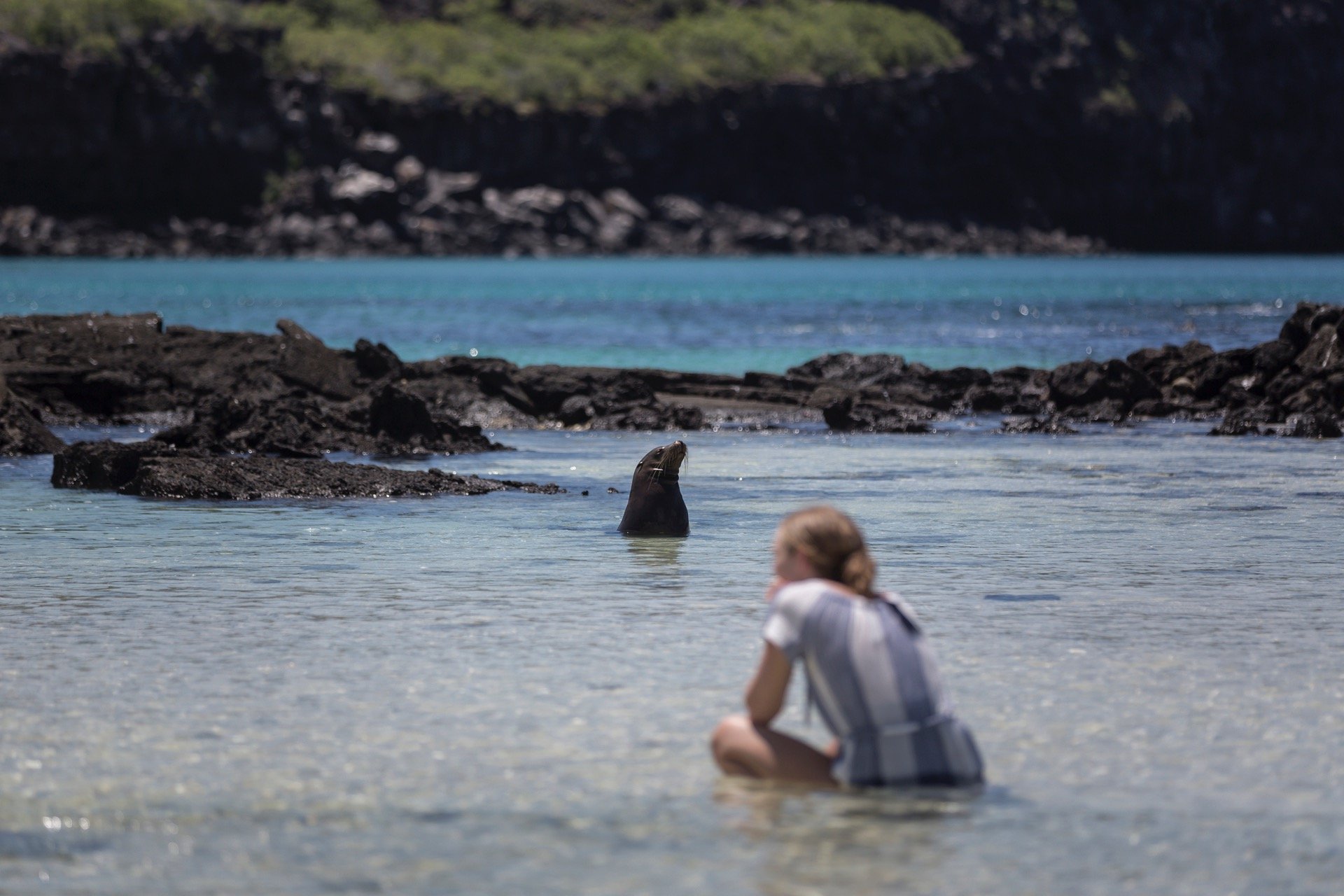
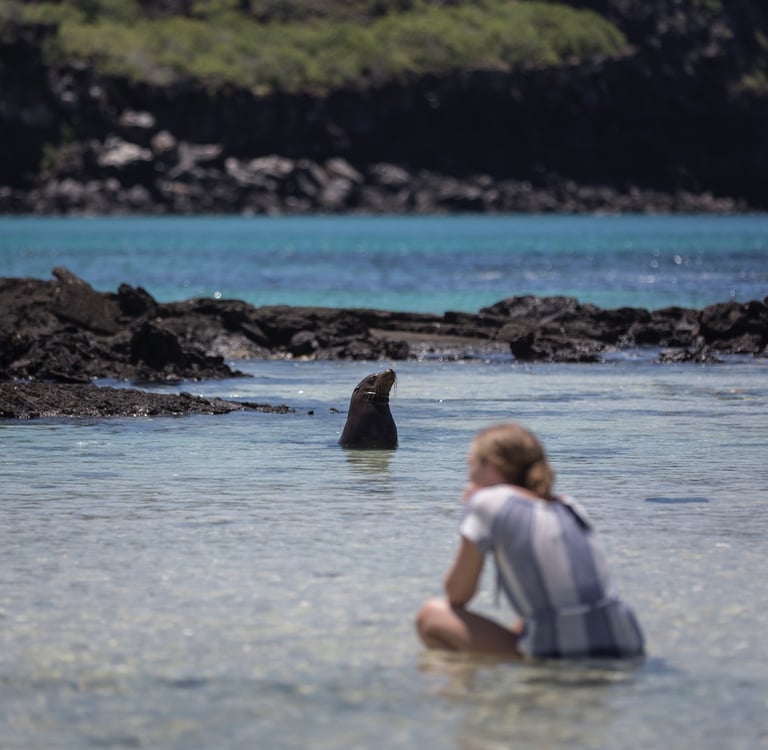
The moment most travelers arrive in the Galápagos Islands, they immediately notice something feels different.
The beaches are not crowded, the wildlife behaves naturally, without fear, and the landscapes feel untouched.
Even the pace of travel itself feels calmer, more intentional, and deeply connected to nature.
And that is not accidental.
The extraordinary preservation of the Galápagos is the result of one of the most carefully regulated tourism systems in the world.
For many first-time visitors, it can initially feel surprising that there are so many rules surrounding travel in the islands. Certain visitor sites require certified guides. Cruise routes are controlled. Visitor capacity is limited. Protected areas are strictly monitored. Even where boats can anchor or travelers can walk is carefully managed.
But once travelers understand how the system works, something becomes very clear: these regulations are exactly what make the Galápagos so extraordinary, and without them, the islands would not feel the way they do today.
For travelers seeking a luxury Galápagos experience, understanding how the Galápagos National Park regulates tourism is not only important, but it completely changes the way the destination is appreciated, because Galápagos is not built around excess, it is built around preservation, exclusivity, authenticity, and the privilege of accessing one of the most protected ecosystems on Earth.
Why the Galápagos Require Protection
The Galápagos Islands are unlike anywhere else in the world.
Located approximately 1,000 kilometers off the coast of mainland Ecuador, the archipelago evolved in relative isolation for millions of years. This isolation created ecosystems and wildlife species found nowhere else on Earth.
Marine iguanas, giant tortoises, flightless cormorants, Galápagos penguins, and blue-footed boobies all evolved under highly specific environmental conditions.
The islands are also globally significant because of their connection to Charles Darwin and the development of the theory of evolution.
But perhaps the most remarkable aspect of the Galápagos is how intact the ecosystem still feels today.
Unlike many world-famous destinations overwhelmed by mass tourism, the Galápagos remain deeply protected. Wildlife continues behaving naturally because tourism has been intentionally designed to minimize environmental impact.
And this is precisely why travelers searching for luxury Galápagos tours, luxury wildlife travel, sustainable luxury travel, boutique Galápagos experiences and private Galápagos itineraries often discover the islands feel far more authentic than many other luxury destinations worldwide.
"The extraordinary preservation of the Galápagos is the result of one of the most carefully regulated tourism systems in the world."
The Role of the Galápagos National Park
The Galápagos National Park was established in 1959 and protects approximately 97% of the archipelago’s land area.
Together with the Galápagos Marine Reserve, the Park plays a central role in conservation, visitor management, scientific protection, and tourism regulation.
This means tourism in the Galápagos does not operate freely in the same way it might in other destinations.
Instead, nearly every aspect of travel is controlled in order to balance tourism with conservation.
That includes:
Visitor site access
Cruise routes
Boat permits
Visitor capacity
Naturalist guide requirements
Protected wildlife zones
Biosecurity regulations
Snorkeling and diving controls
Infrastructure development
Why the Galápagos Require Protection
The Galápagos Islands are unlike anywhere else in the world.
Located approximately 1,000 kilometers off the coast of mainland Ecuador, the archipelago evolved in relative isolation for millions of years. This isolation created ecosystems and wildlife species found nowhere else on Earth.
Marine iguanas, giant tortoises, flightless cormorants, Galápagos penguins, and blue-footed boobies all evolved under highly specific environmental conditions.
The islands are also globally significant because of their connection to Charles Darwin and the development of the theory of evolution.
But perhaps the most remarkable aspect of the Galápagos is how intact the ecosystem still feels today.
Unlike many world-famous destinations overwhelmed by mass tourism, the Galápagos remain deeply protected. Wildlife continues behaving naturally because tourism has been intentionally designed to minimize environmental impact.
And this is precisely why travelers searching for luxury Galápagos tours, luxury wildlife travel, sustainable luxury travel, boutique Galápagos experiences and private Galápagos itineraries often discover the islands feel far more authentic than many other luxury destinations worldwide.
Why You Cannot Simply Visit Every Island Freely
One of the biggest misconceptions travelers have before visiting the Galápagos is assuming they can freely move between islands independently, but the reality is very different.
Many visitor sites can only be accessed with authorized operators and certified naturalist guides approved by the National Park; some islands are entirely closed to tourism, others, limit daily visitor numbers, certain areas allow only small groups at specific times, and cruise vessels follow assigned itineraries approved in advance.
This level of control prevents overcrowding and protects fragile ecosystems from excessive human impact.
And honestly, travelers benefit enormously from it.
Imagine visiting a remote volcanic island and sharing the experience with only a handful of people rather than hundreds of tourists.
That exclusivity is not accidental.
It is carefully protected.
For luxury travelers, this becomes one of the greatest advantages of the destination.
The Importance of Certified Naturalist Guides
One of the most important regulations in the Galápagos Islands is the requirement for certified naturalist guides at most visitor sites.
These guides do far more than simply lead excursions.
They interpret the ecosystems, explain wildlife behavior, monitor visitor conduct, and ensure travelers understand the significance of what they are experiencing.
A truly exceptional guide can completely transform a Galápagos journey.
They help travelers notice details they would otherwise miss, like the courtship behavior of blue-footed boobies,
the differences between finch species, the volcanic origins of landscapes, the delicate relationship between marine currents and biodiversity.
For families, couples, photographers, and first-time travelers, this educational component becomes one of the most memorable parts of the experience.
Travel in the Galápagos is not simply about seeing wildlife, it is about understanding it.
How Visitor Limits Protect the Experience
One of the reasons the Galápagos feels so different from many famous destinations is because travelers rarely encounter overwhelming crowds, and that feeling of space, silence, and intimacy is highly intentional.
The National Park regulates:
How many visitors can access specific sites
How long groups may stay
Which routes operators may use
How many vessels can visit simultaneously
This system distributes tourism carefully across the archipelago while minimizing environmental stress, and for travelers, the result is extraordinary.
Visitors often experience remote beaches, snorkeling sites, and volcanic trails with very few people around. Wildlife encounters feel calm and natural rather than chaotic or commercialized.
This is especially valuable for luxury travelers seeking:
private Galápagos experiences
luxury family vacations
boutique expedition cruises
photography-focused travel
immersive wildlife encounters
"At first glance, some travelers may perceive these regulations as restrictive, but in reality, they are the reason the destination still feels so pristine."
In many ways, the regulations themselves create the exclusivity travelers are searching for.
Why Sustainable Tourism Matters More Than Ever
The popularity of the Galápagos Islands continues growing globally.
And with that popularity comes increasing pressure on the ecosystem.
Climate change, invasive species, marine pollution, and uncontrolled development all represent serious long-term risks to the islands.
This is why sustainable tourism in Galápagos is not simply a marketing concept.
It is essential for survival.
Travelers increasingly seek meaningful, environmentally conscious experiences, and the Galápagos have become one of the world’s leading examples of how luxury tourism and conservation can coexist.
Many luxury expedition yachts and boutique hotels now integrate sustainability through:
Plastic reduction initiatives
Local sourcing programs
Controlled waste management
Low-impact operations
Conservation partnerships
Education-focused experiences
And travelers themselves play a critical role. Every responsible decision, from choosing ethical operators to respecting wildlife distances, directly contributes to protecting the future of the islands.
Why Galápagos Luxury Travel Feels So Exclusive
Ironically, many of the regulations designed to protect the islands also enhance the luxury travel experience itself.
Because tourism is controlled, visitor numbers remain lower, wildlife encounters feel more intimate, natural landscapes remain pristine, remote experiences feel authentic, and exploration feels personal rather than commercialized.
This creates a version of luxury that is increasingly rare in modern travel.
Not artificial exclusivity.
Not manufactured luxury.
But genuine access to something still protected and real.
For many travelers, that becomes infinitely more valuable.
Why Working With a Galápagos Specialist Matters
Because the National Park regulates tourism so carefully, planning a Galápagos trip requires far more expertise than travelers often expect.
Not all cruises visit the same islands, and not all routes offer the same wildlife experiences.
Some itineraries are ideal for families, and others are better for photography, snorkeling, or adventure travel.
Understanding permits, visitor sites, seasonal wildlife patterns, inter-island logistics, and travel pacing makes an enormous difference.
This is why working with a Galápagos specialist matters so much.
A thoughtfully designed itinerary ensures travelers experience the islands in a way that feels seamless, immersive, and aligned with both conservation principles and personal travel preferences.
The Regulations Are the Reason the Galápagos Still Feel Magical
Many destinations around the world have lost part of what once made them extraordinary.
Overdevelopment, overcrowding, and uncontrolled tourism have transformed places that once felt authentic into experiences that feel commercialized.
The Galápagos Islands remain different precisely because the rules are taken seriously.
The regulations protect: the wildlife, the landscapes, the visitor experience, and ultimately the future of the islands themselves.
For travelers, this means something incredibly special: the opportunity to experience a destination that still feels wild, emotional, authentic, and profoundly connected to nature.
And in today’s world, that may be the greatest luxury of all.
For a complete overview, explore our Ultimate Luxury Galápagos Travel Guide.
Wondering Why the Galápagos Feels So Different?
The answer lies in protection, regulation, and careful planning.
We’ll help you understand how the Galápagos National Park shapes every part of the experience, from visitor sites and wildlife encounters to yacht routes, guides, and inter-island logistics, so you can choose the journey that fits you best.
Thoughtful local advice. Tailor-made recommendations designed around conservation, comfort, wildlife, and meaningful exploration.
+593 96 421 2626 / +593 421 0304
© 2025. Galapagos Inspīrāre. All Rights Reserved. Crafted in Ecuador.
Meaningful journeys designed with intention, elegance, and deep local expertise.
Currency: USD
JOURNEYS
TRAVEL SUPPORT
ABOUT
Travel Requirements
Before You Travel
Payment & Policies
CONTACT US
Registro Turístico: 987912
LUAE: 655164