
Galapagos for First-Time Visitors: Everything You Need to Know Before You Go
First time in the Galapagos? Learn when to go, how to choose a cruise vs. land tour, what to pack, wildlife to expect, and expert tips for a seamless trip.
Galapagos Inspīrāre
11/28/20257 min read
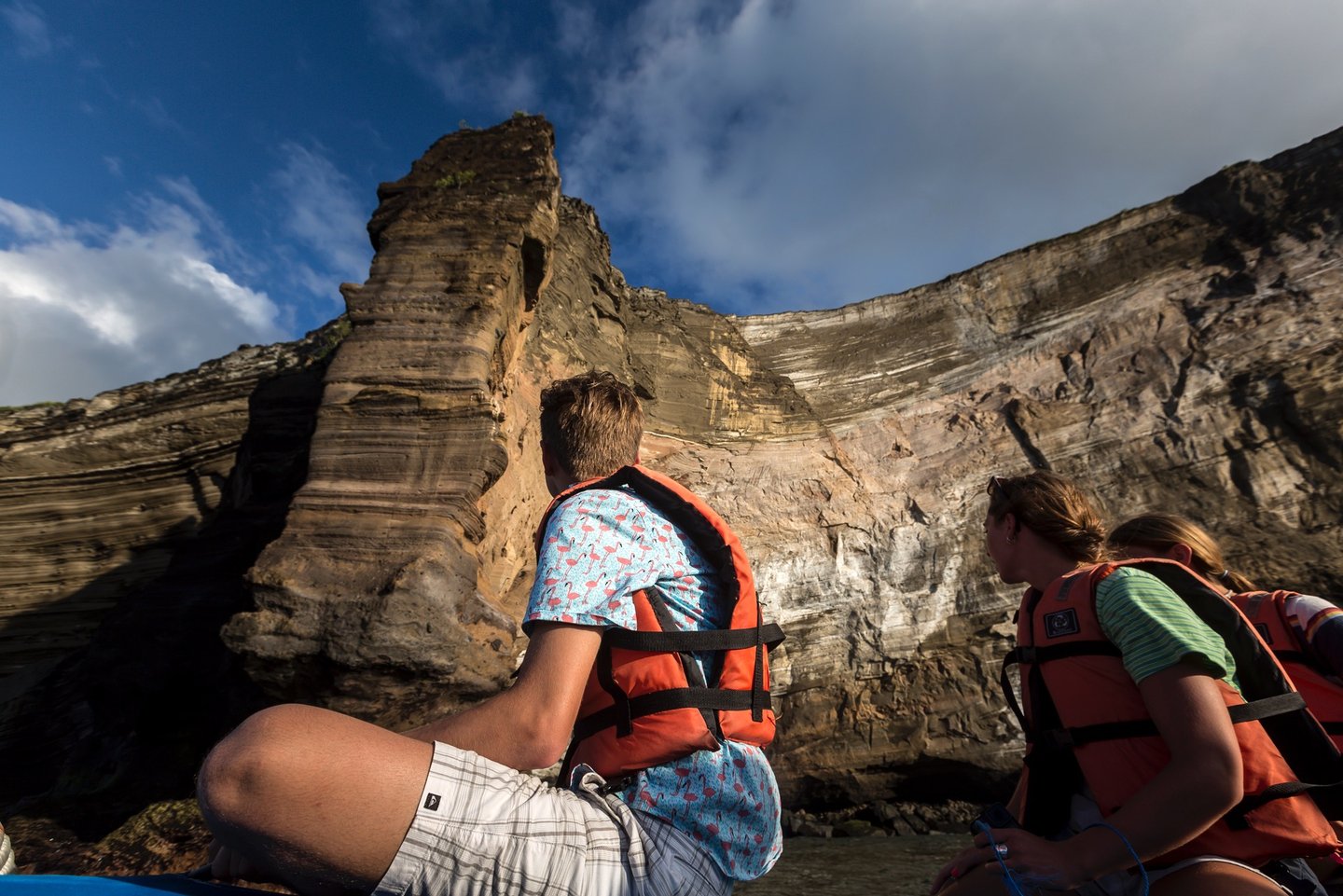
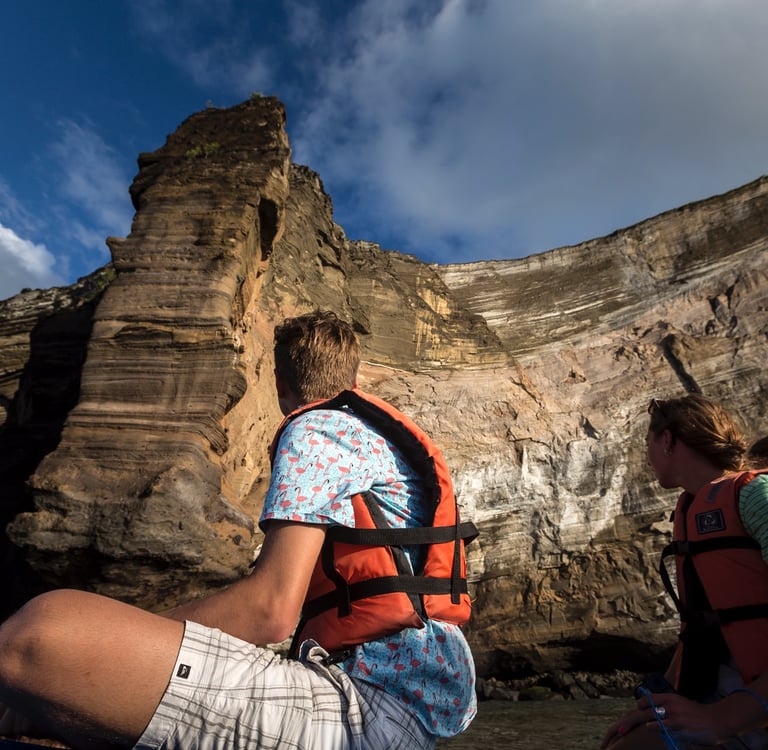
So Where Exactly are the Galapagos Islands?
The Galapagos Islands belong to the country of Ecuador and sit in the Pacific Ocean, about 1,000 km (620 miles) from the mainland. All travel to the archipelago begins with a domestic flight from one of two mainland cities:
Quito (UIO): Ecuador's capital city, located in the Andes. Quito is perfect for travelers looking to add pre or post-trip extensions to the Andean highlands or the Amazon rainforest.
Guayaquil (GYE): A coastal city that is often best for quick, smooth connections to the islands due to its closer geographical location to the archipelago.
Daily flights from both Quito and Guayaquil connect to the two airports in the Galapagos:
Baltra Island (GPS): The main gateway airport, located a short distance from the primary tourist city of Santa Cruz Island.
San Cristóbal Island (SCY): Ideal for itineraries that start or are based on the island of San Cristóbal, which also hosts the provincial capital, Puerto Baquerizo Moreno.
Cruise vs. Land-Based Travel: Which Is Best for a First-Time Visitor?
Choosing the right option to experience the Galapagos depends entirely on your travel priorities: wildlife exposure versus flexibility and comfort.
For Maximum Wildlife Variety:
Choose a 7–8 day cruise. This option is highly recommended as it minimizes travel time (cruising at night) and reaches the most remote, biodiverse islands like Genovesa, Española, or Fernandina, offering the deepest wildlife experience.
For Flexibility (Land-Based):
Opt for a land-based itinerary primarily centered in Santa Cruz and Isabela islands. This allows for more spontaneous scheduling, a wider range of hotel choices, a slower pace, and access to local town life. Day tours from these bases explore nearby visitor sites.
A Hybrid Approach (Best of Both Worlds):
Combine a cruise with a land-based stay. Many travelers find this the ideal balance taking a 4 or 5-day cruise to hit key remote spots, then spend 2–3 relaxing nights prior or after the cruise to enjoy the local atmosphere and land-based activities at a leisurely pace.
How Many Days Should You Spend in the Galapagos?
When planning your first trip to the Galapagos, the ideal duration depends on whether you choose a cruise expedition or a land-based program:
If opting for an expedition cruise, the ideal trip length is:
7–8 days: This is the recommended duration, offering the best wildlife variety and perfect pacing to reach remote islands.
5–6 days: Still an excellent, very complete option if you have slightly less time available.
4 days: A functional choice if your schedule is extremely tight, though you will miss some remote visitor sites.
If choosing land-based travel, a balanced stay generally looks like this:
Santa Cruz: 3–4 nights (the main port and city)
Isabela: 3 nights (relaxed atmosphere and unique sites)
San Cristóbal: 2–3 nights (eastern islands access)
A full itinerary often totals 7–12 days, combining islands or adding mainland Ecuador extensions.
When Is the Best Time to Visit the Galapagos?
There is no bad time to visit as wildlife is present year-round, however, the islands have two distinct seasons to consider when planning your galapagos journey:
Warm Season (Dec–May): Perfect for cruises, honeymoons, and families.
Sunny, warm weather
Calmer seas
Best snorkeling visibility
Great for penguins, turtles, and marine life
Dry Season (Jun–Nov): Perfect for wildlife enthusiasts and active travelers.
Cooler air & water
More active wildlife (birds nesting, sea lions birthing)
Ideal for photographers
What Wildlife Will You See?
Even on short trips, sightings of Sea Lions, Blue-footed Boobies, Marine Iguanas, Sea Turtles, and Giant Tortoises are almost guaranteed. Depending on the itinerary, you may also see penguins, flightless cormorants, or albatrosses.
If seeking specific, rare wildlife, a cruise is essential, as it accesses remote hotspots inaccessible by land.
Essential Travel Requirements for First-Time Visitors
Before flying to the Galapagos Islands, travelers must complete several mandatory steps to ensure a smooth entry and support conservation efforts:
Complete the Digital Biosecurity Declaration: Required for all travelers, this form declares any items you are bringing that might pose a risk to the fragile ecosystem. It is highly recommended to complete this online in advance.
Purchase the Transit Control Card (TCT): This mandatory control card helps monitor visitor numbers. The cost is $20 USD per person (all ages) and must be acquired before boarding your flight to the islands. This can be done online in advance or at the special counter at the Quito or Guayaquil airport.
Pay the Galapagos National Park Entrance Fee: This fee is paid upon arrival at the airport in the islands (Baltra or San Cristóbal). Payment must be done in cash (US Dollars are the official currency). The current rates effective for 2025/2026 for international visitors are $200 USD per adult (ages 12 and over) and $100 USD per child (under 12 years old).
Travel Insurance (Highly Recommended), some cruise operators often require it.
What to Pack for Your First Galapagos Trip
The Galapagos Islands are a casual, sunny, and active destination that requires specific gear to protect both yourself and the fragile environment. Here are the essential items you should consider packing:
Lightweight, Quick-Dry Clothing: Prioritize breathable fabrics suitable for hot, humid weather and daily activity.
Sun Protection:
A wide-brimmed sun hat
Polarized sunglasses (to cut glare off the water)
A high-SPF, reef-safe sunscreen are absolutely vital due to the islands' location on the equator.
Footwear:
Comfortable Walking/Hiking Shoes: Needed for navigating rocky lava fields and trails (closed-toe is best).
Water Shoes: Essential for wet landings on beaches and walking over slippery, uneven rocks in the water.
Swimwear: Bring at least two swimsuits and a rash guard for sun protection while snorkeling.
Gear Protection: A dry bag is highly recommended to protect cameras, phones, and other valuables during wet landings or unexpected rain.
Outerwear: A light rain jacket or windbreaker is useful for cooler evenings or brief showers.
Consider that if you are on a cruise, most vessels provide key equipment reducing your packing load:
Snorkeling Gear: (Mask, fins, snorkel; wetsuits usually available for rent)
Meals & Drinks: All meals and sometimes non-alcoholic beverages are included.
Towels: Bath and beach towels are provided.
Kayaks/Paddleboards: Often available for guest use at no extra charge.
Choosing the Right Cruise for Your First Visit
Choosing the right cruise for your first visit requires a few considerations, as not all vessels and routes offer the same experience.
First, evaluate the vessel category based on your budget and comfort preferences: options range from Luxury (premium cabins, fine dining, balcony suites) and First Class (excellent quality and comfort) to Mid-Range (great value) and Tourist Superior (simple but reliable).
Second, decide on the itinerary length: an 8-day trip is the most complete experience, while 6 or 7 days offer an excellent balance, and 4 or 5 days focus only on the highlights.
Finally, consider the itinerary route itself, as specific loops access unique islands and wildlife, such as the western islands for penguins and cormorants, or the northern island of Genovesa for vast bird colonies.
How to Get Between Islands (For Land-Based Travelers)
For land-based travelers exploring the Galapagos, getting between inhabited islands is possible using two main modes of transport.
The most common and budget-friendly method is the public ferry system, which operates daily routes connecting Santa Cruz - Isabela, and Santa Cruz - San Cristóbal. These boat journeys typically last between 2 and 2.5 hours; note that the rides can be quite bumpy, so it is highly recommended to take seasickness medication if you are sensitive to motion.
Alternatively, inter-island flights using small planes are available for those who prefer a quicker or smoother transfer, though this option comes at a significantly higher extra cost.
How Much Does a First-Time Trip Cost:
A typical first-time trip to the Galapagos Islands can vary widely in cost depending on choices made, with general price ranges of $2,500 USD – $7,500 USD per person for land-based programs and $3,500 USD – $12,000 USD per person for cruises. The total price can vary depending on the chosen cruise category (ranging from budget "tourist superior" to ultra-luxury), the overall length of the stay, and the season in which you travel. Other factors include whether you opt to hire private tours for a more personalized experience and if you add mainland extensions to explore areas like Quito, the Amazon, or the Andes mountains.
Sample First-Time Visitor Itineraries
Itineraries can vary based on your preferred travel style and priorities:
7-Day Cruise Itinerary (Most Complete Wildlife Experience):
This option typically focuses on specific, remote routes (such as those visiting Fernandina, Isabela, Española, or Genovesa) that are inaccessible by land-based day trips. Expect daily guided activities including snorkeling and hiking, maximizing the variety and depth of wildlife encounters.
8-Day Land-Based Itinerary (Great for Families & Those Prone to Seasickness):
This itinerary splits time between the main inhabited islands, Santa Cruz, Isabela, and San Cristóbal, offering flexibility and hotel comfort. Highlights often include land-based excursions to the highlands for giant tortoise viewing, snorkeling at iconic sites like Los Túneles or Kicker Rock, and specific day tours to nearby uninhabited islands such as Bartolomé or North Seymour.
Final Tips to consider for First-Time Visitors
Here are essential final tips for first-time visitors to the Galapagos to ensure a smooth, rewarding, and responsible trip:
Key Planning Tips
Plan Ahead: Book your cruise a minimum of 6–9 months in advance, especially if traveling during peak season or requiring specific cabin types, as popular itineraries sell out quickly.
Work with a Specialist: Consider working with a Galapagos travel specialist. They coordinate all complex logistics—flights, permits, cruises, and extensions saving you significant time, money, and stress.
Coordinate Flights with Your Cruise: Only book your flights to the islands after you have confirmed your cruise or land itinerary to ensure a seamless connection with airport transfers.
Bring Cash: While major hotels and cruise lines accept cards, many small businesses, local restaurants, and for paying mandatory fees (like the National Park entrance fee upon arrival), cash (USD) is essential.
On-Island Experience & Respect for Nature
Travel with a Certified Naturalist Guide: All excursions within the National Park require a licensed, certified guide, ensuring a safe and educational experience while protecting the delicate environment.
Respect Wildlife Distance Rules: Maintain a respectful distance from all wildlife (typically at least 2 meters or 6 feet). Never touch or feed the animals, as this disrupts their natural behavior.
Follow Park Regulations: Adhere to all rules, such as staying on marked trails, not using flash photography with certain animals, and practicing "leave no trace" principles to preserve the islands for future generations.
Planning your first Galapagos journey should feel exciting, not overwhelming. Our team at Galapagos Inspīrāre designs tailor-made programs for:
Families
Couples & honeymoons
Multigenerational trips
Wildlife lovers
Private yacht charters
Share your travel dates, group size, and interests, and we will create a personalized itinerary with the perfect mix of islands, experiences, and cruise options.
+593 96 421 2626 / +593 421 0304
© 2025. Galapagos Inspīrāre. All Rights Reserved. Crafted in Ecuador.
Meaningful journeys designed with intention, elegance, and deep local expertise.
Currency: USD
JOURNEYS
TRAVEL SUPPORT
ABOUT
Travel Requirements
Before You Travel
Payment & Policies
CONTACT US
Registro Turístico: 987912
LUAE: 655164