Listen to a short intro: galapagos penguin facts
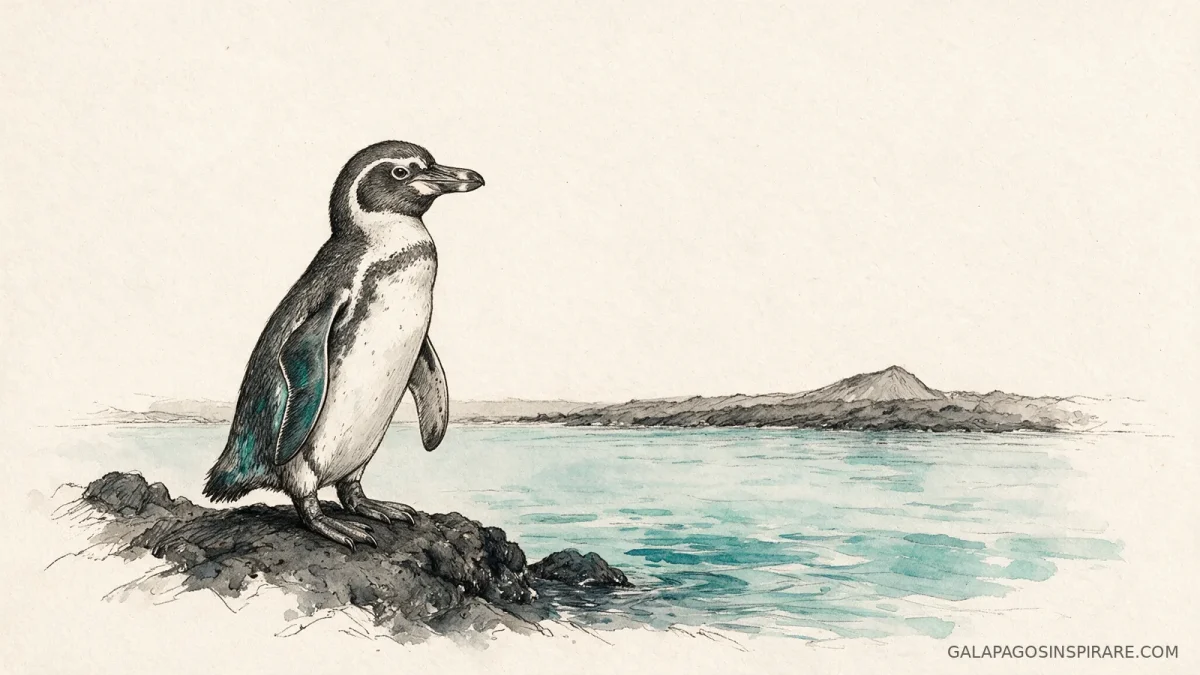
Curious travelers collect galapagos penguin facts before they book because these birds redefine what “tropical wildlife” means: they are the only penguins that live on the equator, yet they depend on cool currents rather than ice. Understanding a few reliable facts about Galápagos penguins helps you choose western-island days, land-based snorkel windows, or a quiet cruise deck where sightings feel earned—not staged.
Galápagos penguin essentials
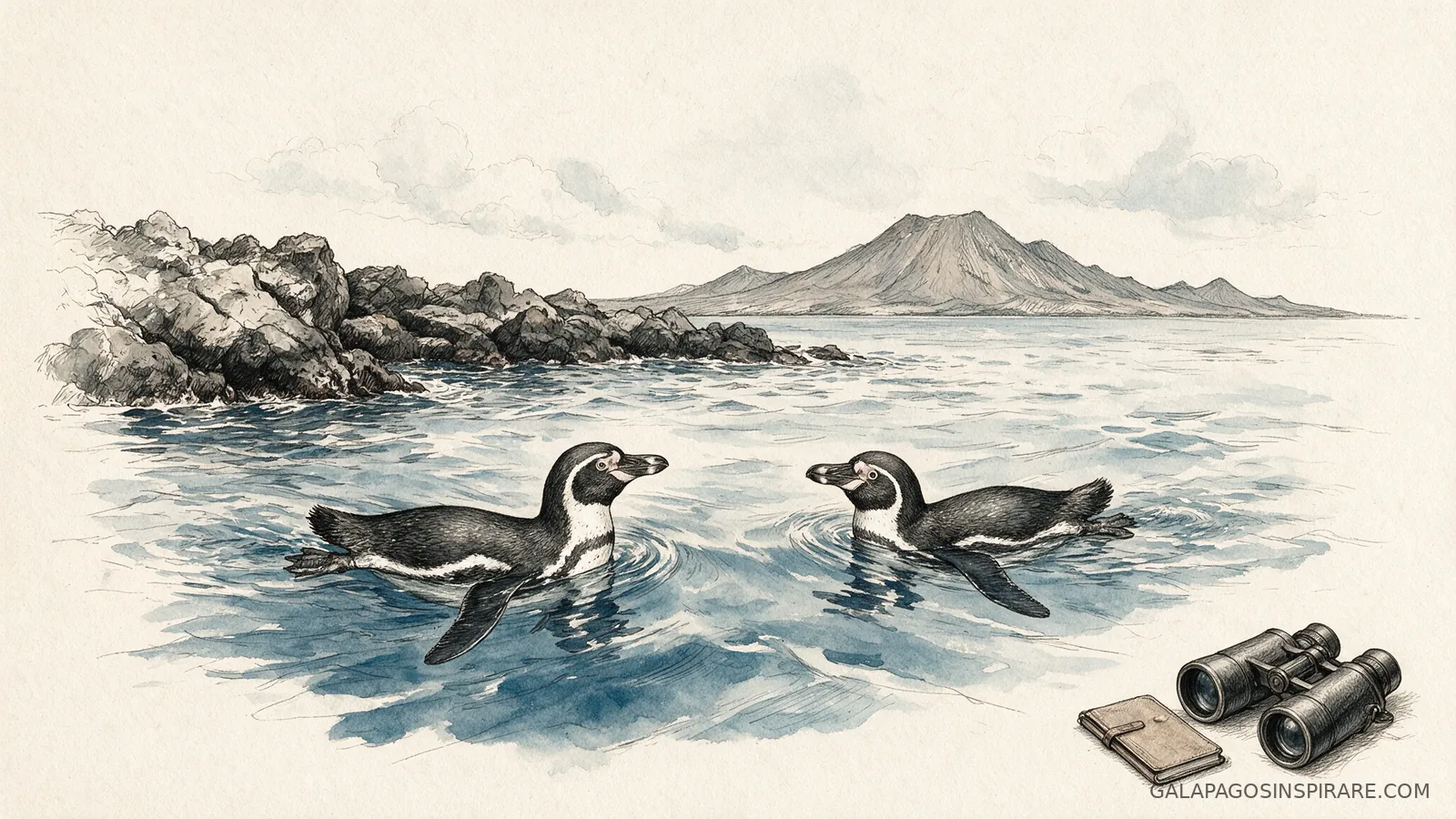
Where to see Galápagos penguins on a real itinerary
If your question is where to see Galápagos penguins, prioritize the western archipelago: the Tagus Cove–Fernandina corridor and sheltered lava coasts of western Isabela remain classic. Eastern hubs still matter for logistics, but denser penguin activity usually sits where nutrient-rich upwelling keeps fish close to shore. Pair this with our northern vs western itineraries guide and the wildlife you will see overview before you lock dates.
More galapagos penguin facts travelers actually use
Beyond the equator headline, useful galapagos penguin facts are practical: they nest in lava crevices and caves, molt in cycles that can keep birds ashore, and hunt with sharp underwater acceleration. Population numbers fluctuate with El Niño years when warmer water pushes prey deeper—another reason guides treat sightings as privileges, not guarantees. For conservation context, see what sustainable travel really means and browse the expedition vessels hub if a western cruise better matches your group.
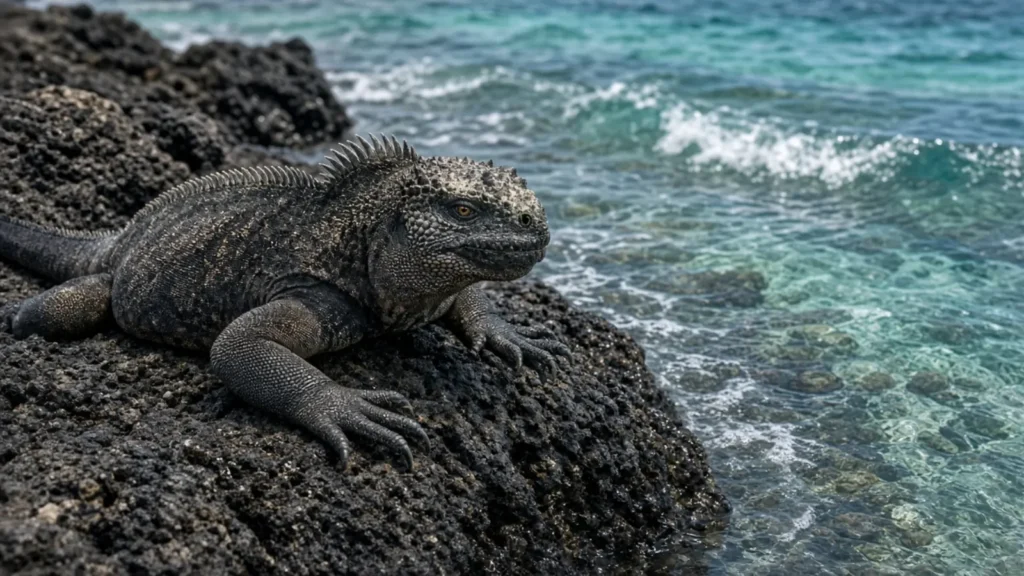
Land-based travelers can still collect strong encounters via day boats from Isabela, then sleep in a boutique lodge. Cruise guests often combine penguin snorkels with flightless cormorants and marine iguanas on the same western loop. Either way, ask your planner for published visitor-site sequences rather than assuming every “Isabela day” equals penguins.
How to watch Galápagos penguins respectfully
Facts about Galápagos penguins matter most when they change behavior: stay on marked trails, never block a bird’s path to the water, and skip drones unless your operator and park rules explicitly allow them. In the water, give penguins room to porpoise past—chasing ruins the encounter for everyone. Soft layers for cool western mornings and reef-safe sunscreen complete a light pack that respects both climate and conservation.
Want a western day built around penguins?
Tell us your dates and travel style—we will map land-based or cruise options that prioritize cool-water wildlife without inventing false guarantees.
Plan with a designer Browse vessels