Listen to a short intro: galapagos western islands cruise
A galapagos western islands cruise focuses on Isabela and Fernandina—cooler, richer waters where flightless cormorants, marine iguanas, and Galápagos penguins concentrate more than on many eastern loops. Western sailings reward travelers who prioritize wildlife intensity over ticking every island. Pair this guide with our northern vs western itineraries comparison and longer galapagos 8 day cruise planning notes when you need more nights afloat.
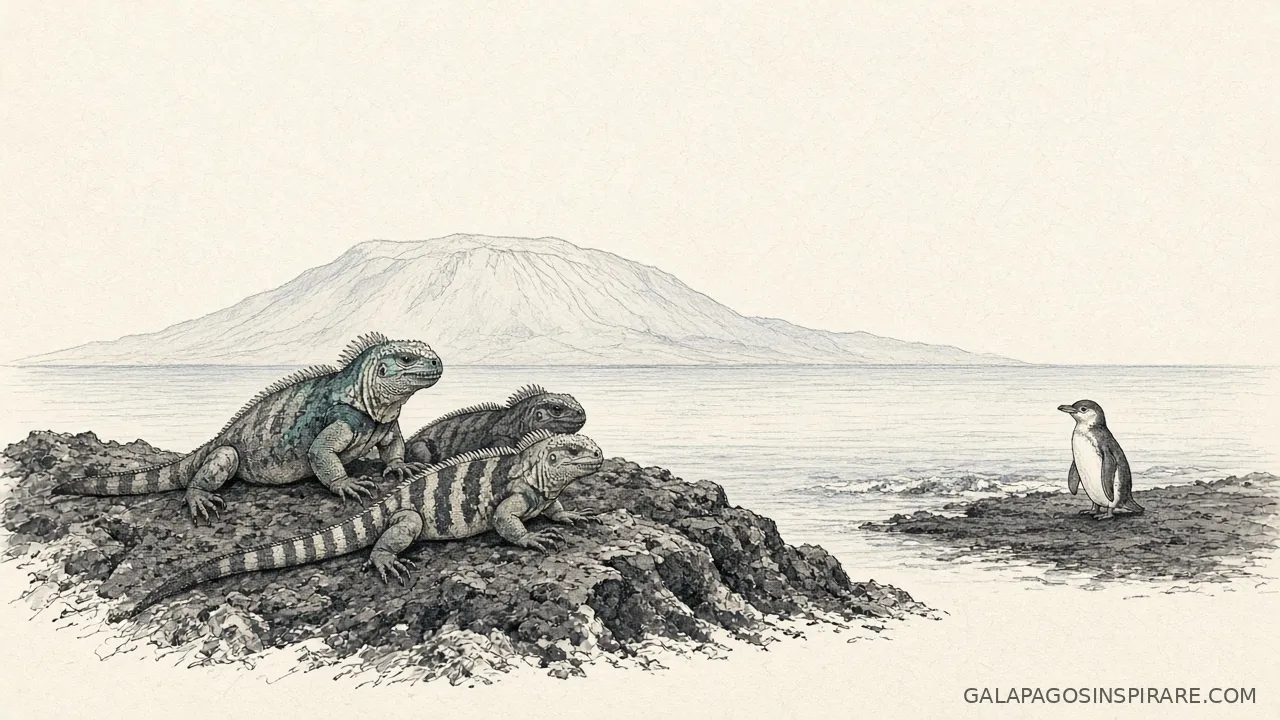
Why does the west feel different?
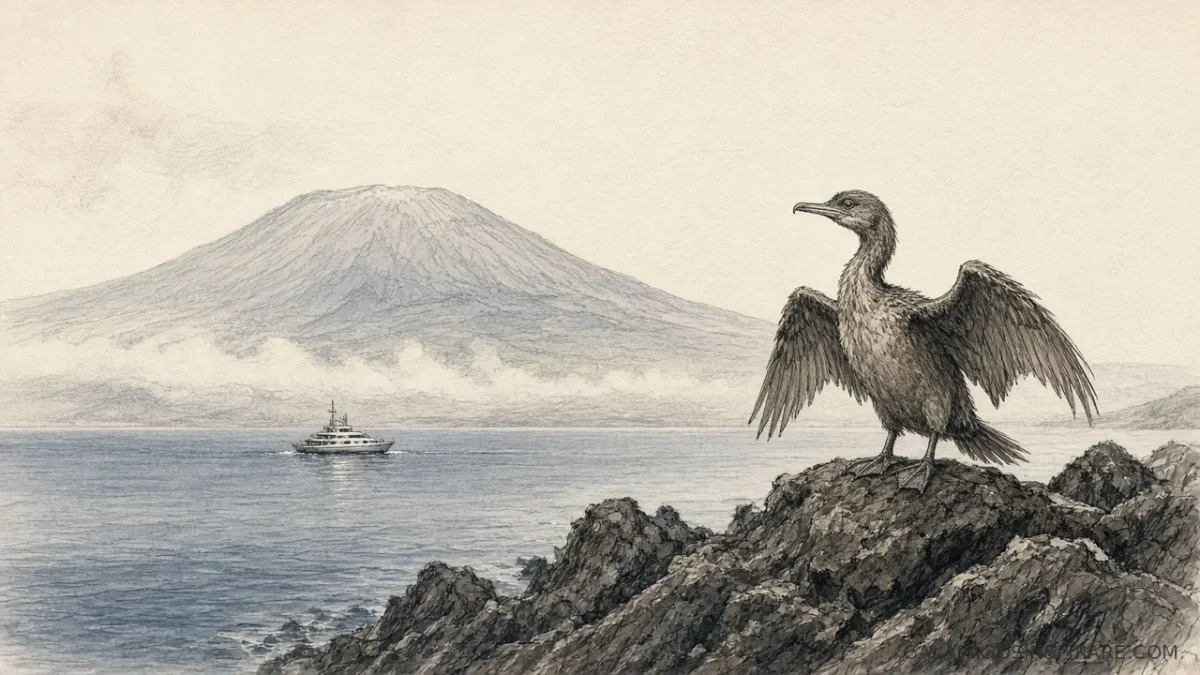
Upwelling along western Isabela and Fernandina feeds nutrient-dense water. That ecology supports dense marine iguana colonies, flightless cormorants drying wings on black lava, and penguin sightings that eastern itineraries cannot guarantee. A galapagos western islands cruise leans into snorkeling and Zodiac panga rides in these cooler conditions—bring layers and realistic expectations about sea state.
Geologically, the west is younger and more volcanic. Fresh lava fields, stark silhouettes of shield volcanoes, and uplifted seabeds create a landscape that feels rawer than the sandy eastern beaches many first-timers picture. That drama is part of the appeal, but it also means sun exposure on dark rock, less shade on some landings, and footwear that can handle uneven lava. Guests who romanticize only turquoise lagoons sometimes underestimate how powerful—and austere—western shores can look at dawn.
Signature highlights: Urbina Bay, Punta Espinoza, Tagus Cove
Classic western stops often include Urbina Bay (uplifted seabed, land iguanas, tortoises depending on season), Punta Espinoza on Fernandina (flightless cormorants, marine iguanas, lava fields), and Tagus Cove on Isabela (historic graffiti cliffs, Darwin Lake views, panga exploration). Exact landing calendars change with park permits and operator rotations—treat these names as representative highlights, not a fixed promise for every departure. Confirm the map printed on your chosen vessel’s live itinerary.
Other western-leaning visits may include mangrove edges, coves suited to snorkeling with turtles, or cliffside bird nesting areas when conditions allow. Guides brief groups on path etiquette because fragile lava crusts and nesting zones leave little room for improvisation. If your heart is set on one named site, say so early; planners can filter ships whose current season maps still include that stop rather than promising a historical itinerary from a previous year.
Wildlife you come west for
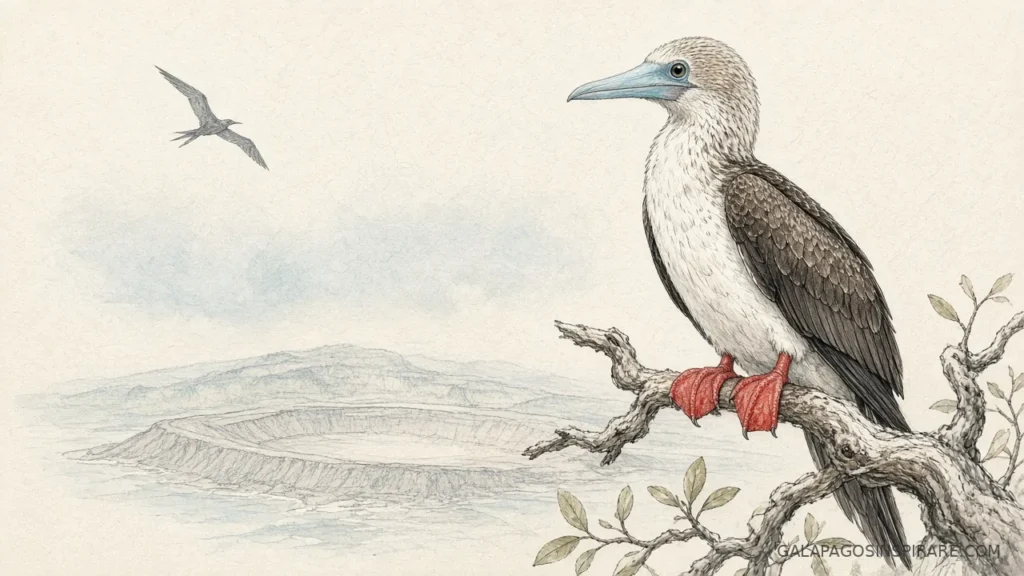
Flightless cormorants are a western icon; marine iguanas gather in large rafts on Fernandina’s lava; Galápagos penguins appear around western Isabela shores more reliably than in the far east. You may also see turtles, rays, and tropical fish on snorkel outings when conditions allow. No ethical operator invents guaranteed sightings—your naturalist guide works with tides and wildlife movement day by day.
Photography-minded guests should prepare for high-contrast lava, bright midday glare, and cooler water that shortens snorkel comfort for some people. Polarized lenses help on pangas; a light wetsuit extends water time. Keep distance rules sacred: chasing penguins or blocking cormorant drying rocks for a shot undermines the reason you booked a galapagos western islands cruise in the first place.
Which vessel types run western routes?
Small ships, catamarans, and expedition yachts across First Class and Luxury tiers publish western or west-leaning itineraries in some seasons. Start at the expedition vessels hub, then review published pages such as Endemic, Elite, Santa Cruz II, La Pinta, and Celebrity Flora. We only claim a ship “runs western routes” when that vessel’s own page or current operator materials say so—otherwise treat the hub as your shortlist and verify with your planner. Private groups can also explore western pacing via the private yacht charter desk.
Hull type matters on western overnight passages that can feel livelier than sheltered eastern nights. Catamarans and larger expedition ships often feel steadier for motion-sensitive guests; intimate yachts trade that for lower guest counts and quieter decks. Match the ship to your tolerance, not only to Instagram lighting. Cabin maps, medical support notes, and naturalist ratios belong in the same conversation as wildlife wish lists.
How long should a western cruise be?
Western coverage usually needs more than a hasty four-day eastern loop. Many travelers look at seven- to eight-night products, or combine a western segment with a complementary eastern week. Birders often add a Galapagos northern islands cruise for Genovesa’s seabird colonies. Compare length options in our 5 day cruise guide and the 8-day itinerary post, then match cabin class on luxury Galapagos cruises. For honest price-band framing (not invented quotes), read the cruise cost guide.
If your vacation only allows a short sea segment, consider whether a compact eastern cruise plus a future western return serves you better than rushing Isabela and Fernandina in too few nights. Quality beats checkbox tourism in the park. A planner who knows current vessel rotations will say when a western map simply does not fit your dates.
Practical tips for cooler western waters
Pack a light wetsuit or shorty if you chill easily, polarized sunglasses, and sturdy shoes for lava landings. Seas can feel livelier on exposed western passages—motion-sensitive guests should ask about hull type (catamaran vs monohull) and cabin location. Keep photography ethics: stay on marked paths, follow guide distances, and never bait wildlife. Soft-shell layers for windy decks, reef-safe sunscreen, and a dry bag for panga spray round out a sensible kit without overpacking.
FAQ galapagos western islands cruise
What makes a galapagos western islands cruise unique?
Cooler, nutrient-rich waters around Isabela and Fernandina support flightless cormorants, dense marine iguana colonies, and stronger penguin odds than many eastern itineraries—plus volcanic landscapes shaped by recent geological activity.
Which islands does a western itinerary usually visit?
Core focus is western Isabela and Fernandina, often with stops such as Urbina Bay, Punta Espinoza, and Tagus Cove style sites when permits allow. Exact sequences vary by operator and season.
Can I see penguins on a galapagos western islands cruise?
Western Isabela is among the better areas for Galápagos penguin sightings, but wildlife is never guaranteed. Your guide adapts daily plans to conditions and animal movement.
Is a western cruise harder than an eastern one?
It can feel cooler and occasionally choppier. Guests who want maximum wildlife intensity usually accept those trade-offs; guests seeking calmer seas may prefer mixed or eastern-leaning routes.
How do I confirm a ship actually sails west?
Read the itinerary section on that vessel’s live page and ask your Inspirare planner for the current season map. Do not assume every Luxury catamaran publishes a western loop every week.