Listen to a short intro: galaxy galapagos cruise
Travelers comparing tourist-class yachts for an intimate Galápagos expedition often shortlist a galaxy galapagos cruise. Galaxy is a stylish 16-guest yacht with an all-suite layout of eight cabins across upper, main, and lower decks, sailing typical four-to-fifteen-day routes from about $3,200 USD. This guide covers who Galaxy suits, how cabins and public spaces feel day to day, how itineraries pace, and how it compares with peer small yachts before you hold a berth.
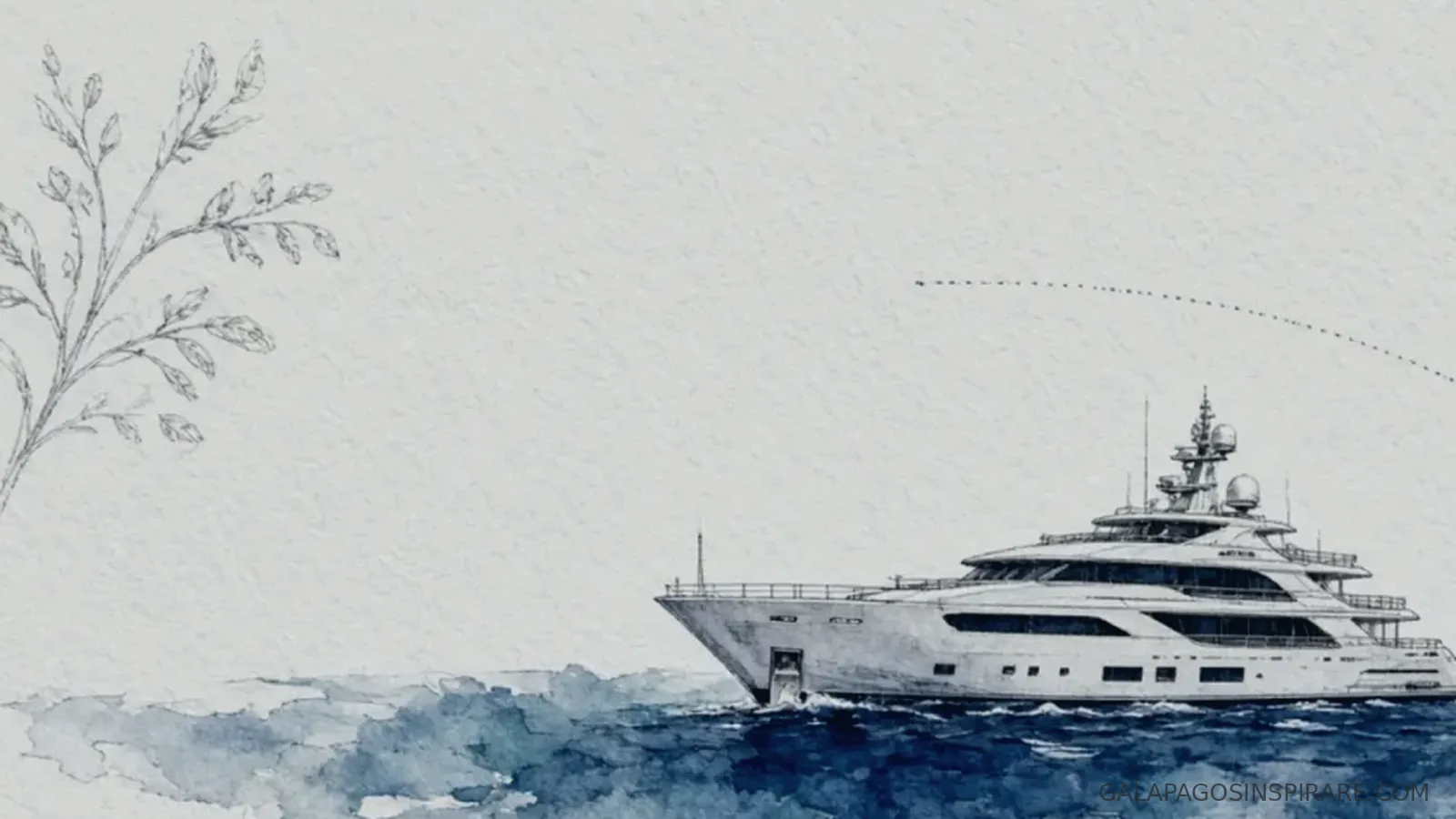
Why choose a galaxy galapagos cruise for a small-ship expedition?
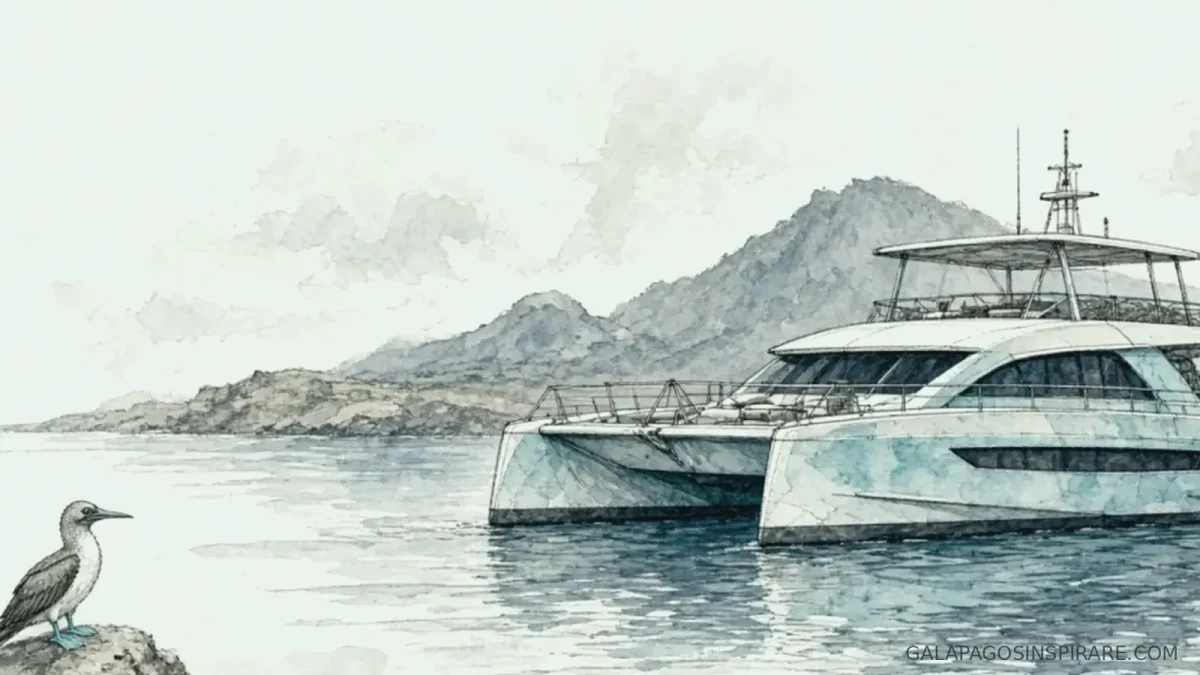
A galaxy galapagos cruise sits in the tourist yacht tier with capacity for sixteen guests across eight ocean-view cabins—all with private bathroom and air conditioning. That guest count keeps Zodiac logistics smooth, names remembered, and landings unhurried beside marine iguanas, sea lions, and frigatebirds. Galaxy feels like a curated field lodge at sea: calm interiors, wide sightlines, and a guest-first layout that moves you quickly from camera table to Zodiac ladder. If you want stylish comfort, naturalist-led discovery, and quiet wildlife-focused days without mega-ship scale, Galaxy fits beautifully.
Open the product page for Galaxy beside the wider Galápagos expedition vessels hub to compare class and capacity. Our notes on EcoGalaxy Galapagos and Archipel Galapagos Catamaran help frame guest counts, hull feel, and itinerary length before you lock dates—EcoGalaxy is a separate eco catamaran, not the same vessel as Galaxy yacht.
Cabins, decks, and day-to-day rhythm aboard Galaxy
Eight cabins are distributed between upper, main, and lower decks—bright outside staterooms with private bath, individual A/C, and smart storage. Public life centers on an ocean-view lounge for briefings, a solarium and bar for midday conversation, a dining area for chef-inspired Ecuadorian plates, and open bow or upper decks for long horizon watches. Short steps from gear staging to the Zodiac ladder mean more discovering and less queuing—the layout Galaxy is known for among travelers who like field-lodge ease with understated style.
A typical day on a galaxy galapagos cruise begins with sunrise coffee and a clear plan from your bilingual Galápagos naturalist, then a morning Zodiac landing or snorkel window. Midday often brings a rinse-off, lunch celebrating Pacific fish and tropical fruit, and a quiet lounge or shaded seating reset. Afternoons return to snorkeling, kayaking or stand-up paddle boarding when conditions allow, or coastal Zodiac exploring; evenings lean conversational—map briefings, dinner, and star-bright skies. Fare inclusions typically cover accommodation, all meals, kayaks and SUP, snorkel gear, daily excursions, and a naturalist bilingual guide; park fees, drinks, flights, and tips are usually separate—confirm live details on the vessel page.
Itineraries, seasons, and who Galaxy fits best
Galaxy typically offers multiple four-, five-, six-, eight-, and fifteen-day routes with year-round departures, so you can match wildlife priorities—nesting colonies, calmer snorkeling windows, or longer archipelago coverage—to the month you travel. Shorter sailings suit travelers with clear goals who still want small-yacht comfort; longer windows give photographers and first-timers more island variety. Indicative rates often start around $3,200 USD depending on season, cabin, and length—always confirm live inventory on the vessel page.
Galaxy fits couples, small friend groups, and travelers who value stylish tourist-class comfort with eye-level nature rather than large-ship amenities. It is less ideal if you need first-class expedition-ship scale, balcony suites on every cabin, or an ultra-premium Relais & Châteaux platform. Travelers comparing sixteen-guest options should also skim EcoGalaxy, Archipel, and similar tourist or first-class catamarans before deciding hull type and itinerary length.
How a galaxy galapagos cruise compares with peer small vessels
Versus first-class catamarans, Galaxy trades twin-hull steadiness and often higher class for a single-hull yacht feel and tourist-class pricing from about $3,200. Versus ultra-intimate twelve-guest explorers, you keep a sixteen-guest community with eight cabins and quick Zodiac flow. Versus larger first-class expedition ships, you keep boutique landings and quieter decks. Always verify live inventory, park rules, and guide credentials on the vessel page before you deposit.
Practical booking tips: hold flexible flights into Baltra or San Cristóbal matching the embarkation port on your route; pack soft-sided luggage, reef-safe sunscreen, polarized sunglasses, and a tiny bottle of mask anti-fog; and ask your planner about children’s ages, medical considerations for Zodiac boarding, and preferred deck cabins. A clear brief on photography goals—deck seabirds versus underwater—helps your naturalist prioritize landings within park guidelines.
Booking windows, packing, and park etiquette on Galaxy
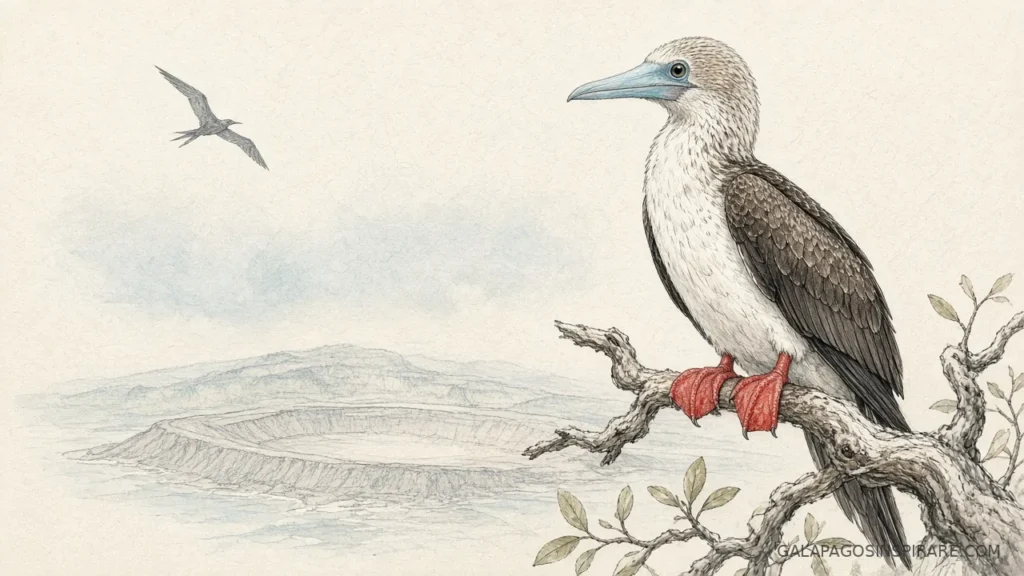
Peak demand for a galaxy galapagos cruise often clusters around holiday weeks and wildlife peaks—blue-footed booby courtship, green highland landscapes after rains, or calmer water windows for first-time snorkelers. Place a courtesy hold as soon as dates firm, especially for upper-deck cabins. Pack soft-sided bags that fit cabin storage, a light rain shell, quick-dry layers, reef-safe sunscreen, polarized sunglasses, and a dry bag for Zodiac hops. Park rules limit group sizes and landing footprints; your licensed naturalist briefs you each morning so you stay within guidelines while still getting unhurried time for photographs and questions. Tipping customs for guides and crew, the US$200 Galápagos National Park fee, the US$20 Transit Control Card, and domestic flights are usually handled separately from the cruise fare—confirm inclusions on the vessel page so there are no surprises at embarkation.
If you are combining Galaxy with Quito or Guayaquil city time, leave buffer nights for weather or airline delays before departure. Families should confirm minimum ages for Zodiac boarding and snorkeling; photographers should say whether they prioritize deck seabirds, shoreline reptiles, or underwater time so guides can sequence landings thoughtfully. The field-lodge ambiance rewards travelers who enjoy lounge briefings and open-deck horizon watches as much as they enjoy kayak or snorkel sessions—Galaxy is less about nightlife and more about measured, wildlife-focused days at sea.
FAQ galaxy galapagos cruise
How many guests does a galaxy galapagos cruise carry?
A galaxy galapagos cruise hosts sixteen guests in an all-suite layout of eight cabins across upper, main, and lower decks, guided by a bilingual Galápagos naturalist for intimate landings.
What itinerary lengths are typical on Galaxy?
Galaxy commonly sails four-, five-, six-, eight-, and fifteen-day routes with year-round departures; confirm live calendars and embarkation ports on the vessel page before you book.
Is Galaxy the same as EcoGalaxy?
No. Galaxy is a tourist-class yacht for sixteen guests; EcoGalaxy is a separate intimate eco catamaran. Compare both product pages if you are deciding between yacht and catamaran platforms.
Who is Galaxy best for?
Couples, small friend groups, and travelers who want a sixteen-guest tourist yacht with stylish field-lodge comfort, naturalist guiding, and four-to-fifteen-day coverage without mega-ship scale.