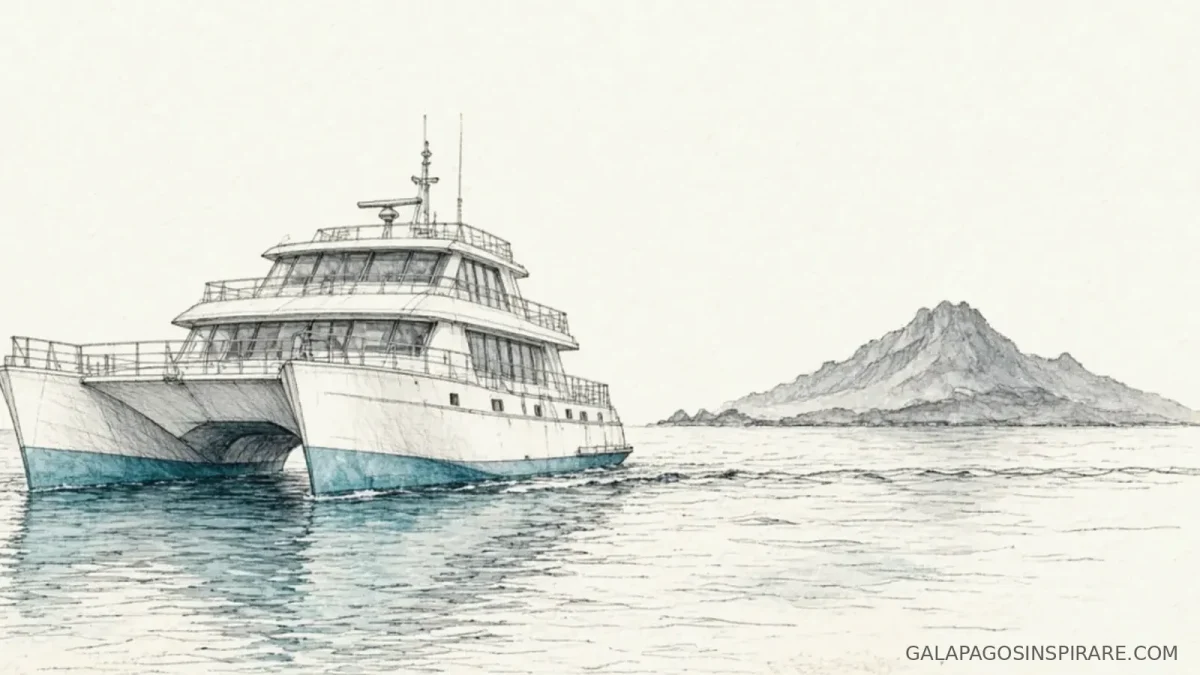
Listen to a short intro: tip top ii galapagos
Travelers comparing boutique twin-hull options often land on tip top ii galapagos—a first-class motor catamaran built for small-group discovery without mega-ship crowds. This guide explains who Tip Top II suits, how its ocean-view cabins and deck flow work day to day, how 4- to 15-day itineraries typically pace, and when a peer vessel might fit better before you hold a berth.
Why choose tip top ii galapagos for a small-group catamaran cruise?
Tip Top II sits in the first-class catamaran tier with capacity around sixteen guests across ten cabins—large enough for conversational dinners, small enough that Zodiac landings stay orderly and naturalist briefings feel personal. Twin-hull stability softens open-water legs between islands, while ocean-view cabins and a streamlined deck plan keep walking distances short between lounge, dining, and boarding points. If you want small-group luxury with expert guiding and quieter trails than larger expedition ships, tip top ii galapagos is a strong shortlist candidate.
Open the product page for Tip Top II beside the wider Galápagos expedition vessels hub to see how it compares with first-class peers. Our notes on Anahi and Archipel help frame twin-hull scale, cabin layouts, and guest counts before you lock dates.
Cabins, decks, and day-to-day rhythm aboard Tip Top II
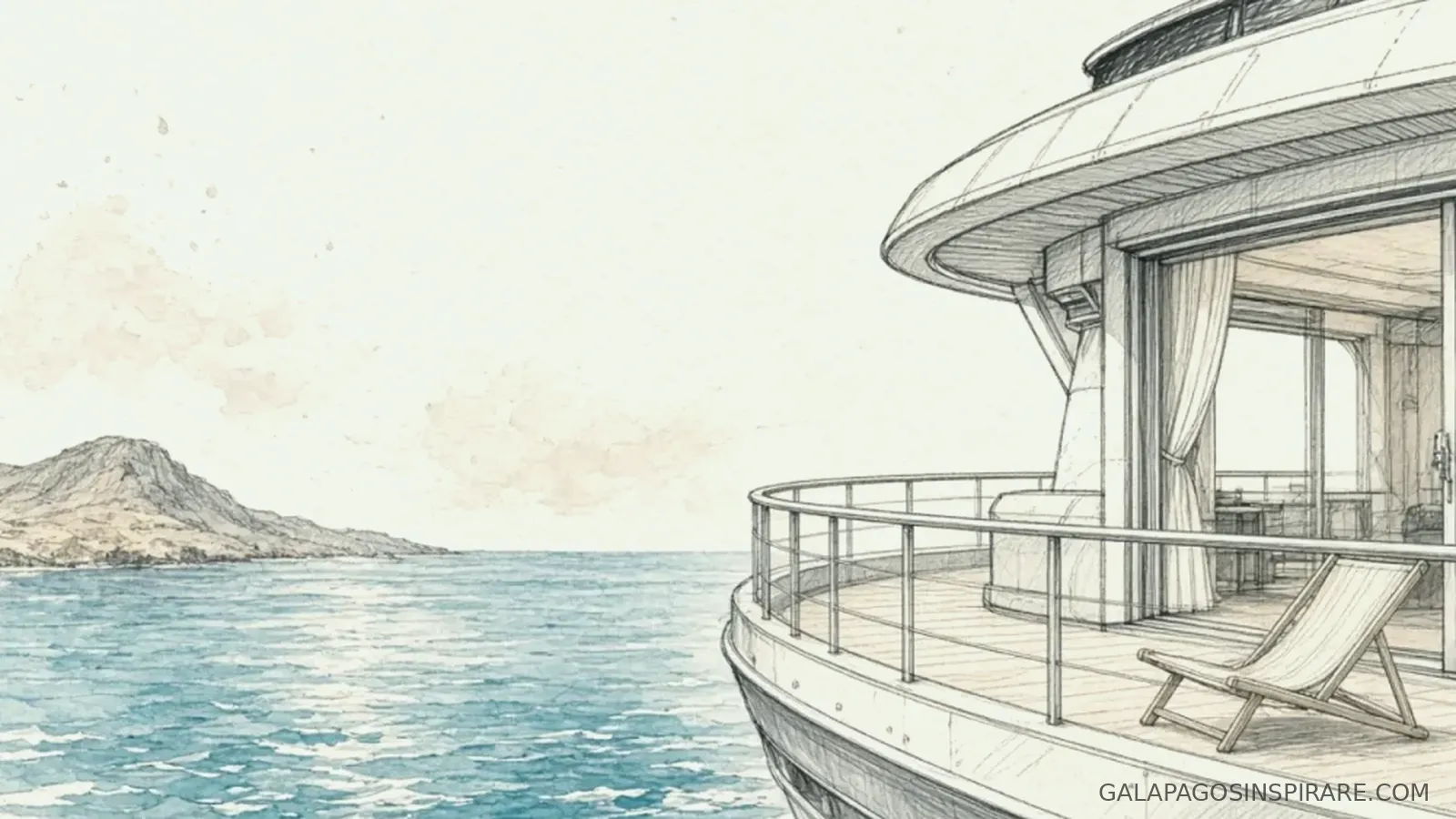
The cabin mix favors exterior ocean-view rooms with private bathrooms and individual climate control—typically twin or double setups sized for couples and small friend groups who want privacy without isolating from the guest list. Public life centers on an indoor lounge for briefings and evening wind-downs, a dining area matched to sixteen seats, and outdoor decks for sunrise coffee, sky-watching, and quiet reading between outings. Thoughtful operations mean boarding points and gear staging stay close to living spaces, so you spend less time navigating corridors and more time on deck or ashore.
A typical day on tip top ii galapagos begins with fresh coffee and a concise naturalist briefing, then a morning landing—coastal basalt, arid scrub, or a nesting colony depending on the circuit. Midday often brings a chef-prepared lunch and a sun-deck breather before an afternoon of snorkeling or coastal Zodiac exploring. Evenings lean conversational: photo share-outs in the lounge, relaxed talks, and stargazing when skies are clear. Connectivity is limited by design, which many guests treat as a welcome digital reset after long outdoor days.
Itinerary notes: 4-, 5-, 8-, and 15-day routes
Tip Top II programs commonly offer route blocks across 4-, 5-, 8-, and longer 15-day windows with year-round departures. Exact visitor sites rotate with park logistics and season—always confirm the live itinerary when you hold a cabin. Most sailings feature two guided outings on most days: a steady rhythm of hikes, Zodiac rides, water time, and unhurried pauses on deck. Warmer, calmer months often favor longer snorkels and smoother transfers; cooler upwelling periods can intensify marine life while bringing livelier seas between islands.
If your dates are flexible, ask for a side-by-side of Tip Top II against another boutique twin-hull such as Sirius. Comparing capacity, cabin categories, and circuit length side by side is the fastest way to avoid booking a ship that feels either too quiet or too busy for how you travel.
Tip Top II vs Anahi: which boutique catamaran fit?
Both vessels sit in the boutique catamaran conversation at roughly sixteen guests, but the onboard personality diverges with layout and pacing. Tip Top II leans first-class small-group discovery—smooth handling, ocean-view cabins, and intentionally paced wildlife circuits. Anahi emphasizes boutique twin-hull comfort with its own lounge and cabin mix. Choose Tip Top II when you want a proven first-class catamaran rhythm and flexible itinerary lengths; choose Anahi when a specific cabin category or departure calendar aligns better with your flights. Your journey designer can map both against the same wildlife window so the comparison stays fair.
Who Tip Top II suits—and who should look elsewhere
Choose tip top ii galapagos if you want first-class twin-hull stability, a sixteen-guest social density, and expedition mornings that stay conversational. It fits couples who dislike crowded landings, small friend groups who want shared tables without mega-ship noise, birders and photographers who value guide attention, and first-timers who prefer catamaran calm over monohull roll. Look elsewhere if you need private balcony suites on every cabin, an ultra-private twelve-guest motor yacht, or Relais & Châteaux positioning—in those cases, Treasure, Explorer, or Origin/Theory/Evolve may align better.
Private-feeling weeks are still possible without a full-ship charter: sixteen berths mean friends can often coordinate adjacent cabins. For true full-boat privacy and customized pacing, explore private yacht charter options when a dedicated crew matters more than a shared departure calendar.
How to book Tip Top II without missing the cabin you want
Start with preferred wildlife seasons and gateway cities, then map those against Tip Top II’s published 4-, 5-, 8-, and 15-day circuits. Confirm cabin category, deck placement, and any twin-versus-double preferences before you release a soft hold. Hold flexible international tickets until park flight seats align. When you are ready, open the Tip Top II product page and request a written inclusions list—park fees, wetsuits, soft drinks, and transit flights can sit outside base rates depending on the operator package.
Packing stays expedition-practical: quick-dry layers, reef-safe sunscreen, sturdy shore shoes, polarized sunglasses, and a soft duffel instead of hard-sided luggage. Photographers should bring a dry bag and realistic expectations about distance to wildlife within park rules. Tell your designer early about mixed fitness levels so landings and snorkel coaching can be paced without splitting the guest list every morning.
Ultimately, tip top ii galapagos is about balanced first-class twin-hull travel: a sixteen-guest count, ocean-view cabins that work for couples and small groups, and expedition days that still feel personal when you step onto black rock. If that definition of luxury matches how you move through the islands, Tip Top II deserves a serious place on your shortlist.
FAQ tip top ii galapagos
How many guests does tip top ii galapagos carry?
About 16 guests across roughly 10 cabins on a first-class motor catamaran layout, which keeps landings manageable while preserving a boutique social atmosphere.
Is Tip Top II better for couples or small friend groups?
Both. Couples appreciate the quieter trails and conversational briefings; small friend groups should confirm adjacent ocean-view cabins when booking so the shared itinerary still feels private at night.
How does Tip Top II compare to Anahi or Archipel?
All three sit in the boutique first-class catamaran conversation at similar guest counts. Tip Top II emphasizes small-group discovery and flexible circuit lengths; Anahi and Archipel lean their own lounge and cabin personalities. Compare live deck plans, cabin categories, and departure calendars for your dates.
When should you book tip top ii galapagos?
Popular wildlife windows and preferred ocean-view cabins sell early—secure a soft hold once dates and cabin class are clear, then align park flights before finalizing international tickets.